Your 20s Workouts Still Matter In Your 60s
My uncle used to say every year for about twenty years that he’d “get back into shape eventually.” He’s 58 now, and on blood pressure medicine he probably could have avoided. I think about that a lot after reading this research because it basically confirms what many of us have suspected but never had solid proof for. The exercise you skip in your 20s doesn’t just vanish. It shows up later as a blood pressure number you don’t want to see at the doctor.
A big long-term study followed over 5,100 adults for thirty years, tracking their health through checkups and honest questionnaires about how much they moved, drank, and smoked. The pattern from all that data is hard to ignore.
The Window That Actually Matters
This part surprised me. The researchers found that young adulthood is the window. Not your 40s or 50s. Is the time for protecting yourself from high blood pressure later in life. If you’re active in your 20s and early 30s, you’re basically saving up protection for your 50s and 60s long before you’d ever think to worry about it.
That’s strange to think about,t honestly. Most people don’t care about blood pressure until a doctor mentions it in middle age when it’s already risi… By then, according to this research, a lot of the groundwork has already been laid. For better or worse. Decades earlier.
High blood pressure already affects many people. One in four men and almost one in five women,n based on World Health Organization numbers. The frustrating part: It’s called the “killer,” and no one wants that label for their health.
Exercise Wasn’t The Only Factor
The researchers didn’t just look at exercise. They also tracked smoking habits and alcohol use over those thirty years, measuring blood pressure three times a minute apart at every checkup to make sure the data was solid.
What stood out is that exercise habits in adulthood carried more predictive power than anyone expected. It wasn’t just “exercise is good for you,” which we’ve known for years. It was more specific. Pointing to adulthood as the real turning point. That’s the stage where health programs would do the good if health systems actually focused on it.
A Gap Worth Paying Attention To
This part of the study stuck with me the most. By age 45, Black women in the study had already surpassed men and white men in hypertension rates. White women, on the other hand, ended up with the lowest rates through midlife of all the groups tracked.
That’s not a difference. It points to something other than just how much someone exercises. It’s tangled up with access to care, stress, healthcare quality, and a dozen other factors this one study couldn’t fully explain. It’s a pattern worth paying attention to because it shows blood pressure risk isn’t just about personal choices. It’s shaped by circumstances that vary greatly depending on who you are.
What You Must Do With This
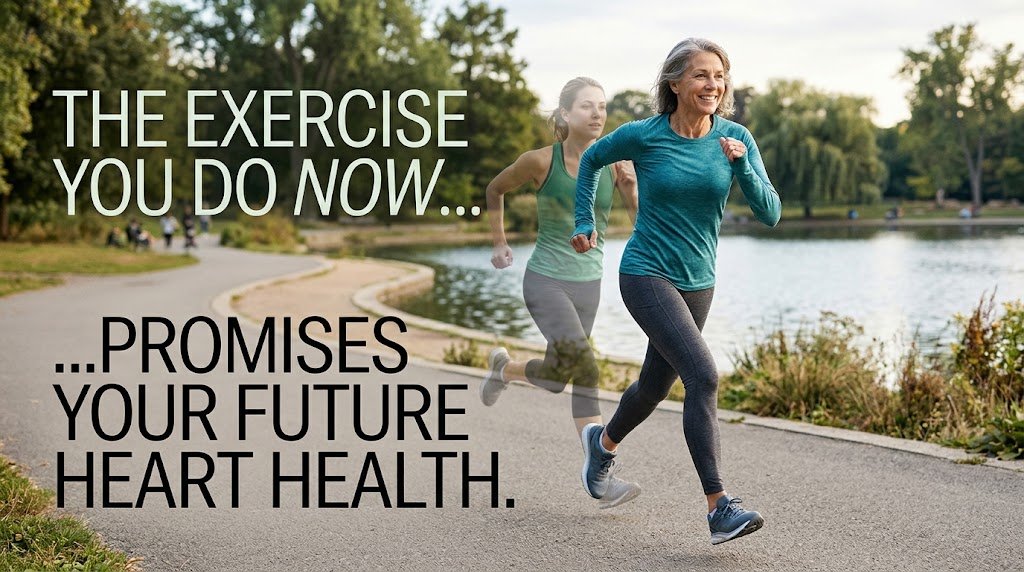
If you’re still in your 20s or early 30s reading this, the message is simple: don’t wait. The habits you build now. Even simple ones like walks or moving more during the week. Seem to matter more for your future blood pressure than we ever talked about.
If you’re past that window like my uncle, it’s not “too late.” It just means the stakes for getting started are higher, and the payoff for consistency matters more than ever. Blood pressure isn’t set in stone. It responds to what you do. It just remembers longer than we give it credit for.
Either way, it’s a reason to stop putting off that walk you’ve been saying you’ll start next week.
Based on reporting around a three-decade study on exercise, lifestyle habits, and blood pressure outcomes in adults, as covered by Health.com and ScienceAlert.
You must read this workout article
